
Table of Contents
- The Unpredictable Nature of Dental Trauma
- Defining a True Dental Emergency
- The Golden Hour: Immediate Actions to Take
- Advanced Diagnostics in Crisis Management
- The Continuity of Care Post-Emergency
- Preparedness and Peace of Mind
The Unpredictable Nature of Dental Trauma

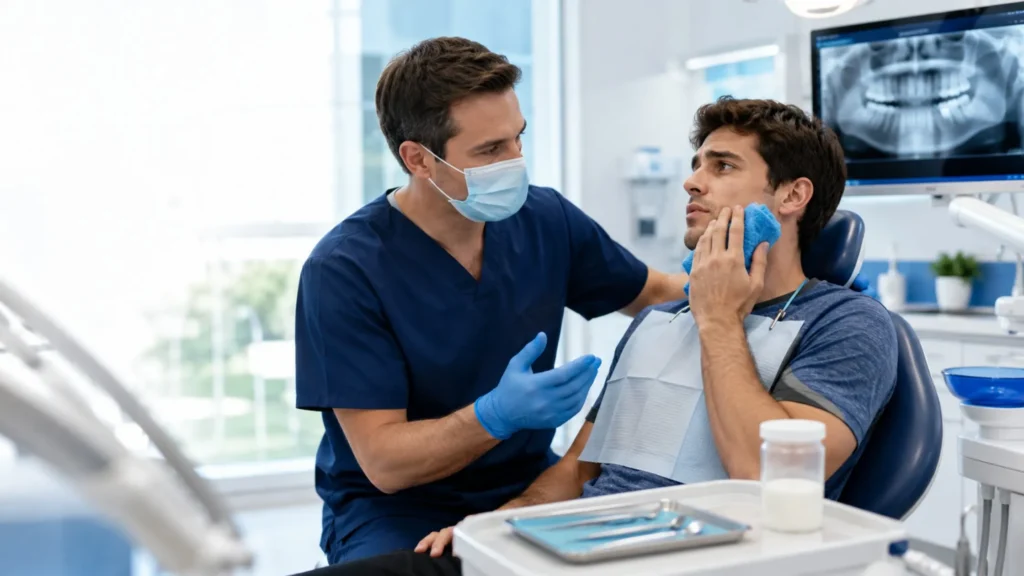
Dental emergencies are inherently disruptive. They do not adhere to business hours, and they rarely happen when it is convenient. From a misplaced tackle during a weekend footy match to an unexpected fall, or simply biting down on a hidden olive pit, dental trauma requires immediate, precise intervention. When the unexpected occurs, having direct access to an emergency dentist drayton is the difference between saving a natural tooth and facing permanent loss.
In high-stress situations, clarity and speed are paramount. Understanding how to respond to an oral injury and knowing exactly where to go can mitigate pain, prevent complex infections, and stabilize the delicate structures of the jaw and gums.
Defining a True Dental Emergency
Not all dental pain requires an immediate rush to the clinic, but certain symptoms are red flags that demand urgent professional care.
| Emergency Type | Primary Symptoms | Clinical Risk if Untreated |
| Avulsed (Knocked-Out) Tooth | Tooth completely dislodged from socket | Permanent loss of the tooth |
| Acute Abscess | Severe throbbing, facial swelling, fever | Systemic infection entering the bloodstream |
| Fractured Tooth | Sharp pain when chewing, exposed pulp | Nerve death and required root canal |
| Uncontrollable Bleeding | Continuous bleeding post-extraction/injury | Severe blood loss, soft tissue damage |
If you experience mild sensitivity to cold or a dull, intermittent ache, this is certainly a sign to book a standard appointment with your regular dentist drayton. However, if you are dealing with rapid facial swelling, uncontrolled bleeding, or a physical trauma that has displaced teeth, you are in a medical crisis that requires immediate stabilization.
The Golden Hour: Immediate Actions to Take
In emergency medicine, the “golden hour” refers to the critical window of time immediately following a trauma where medical intervention has the highest chance of success. This concept applies directly to dentistry, particularly in the case of an avulsed (knocked-out) tooth.
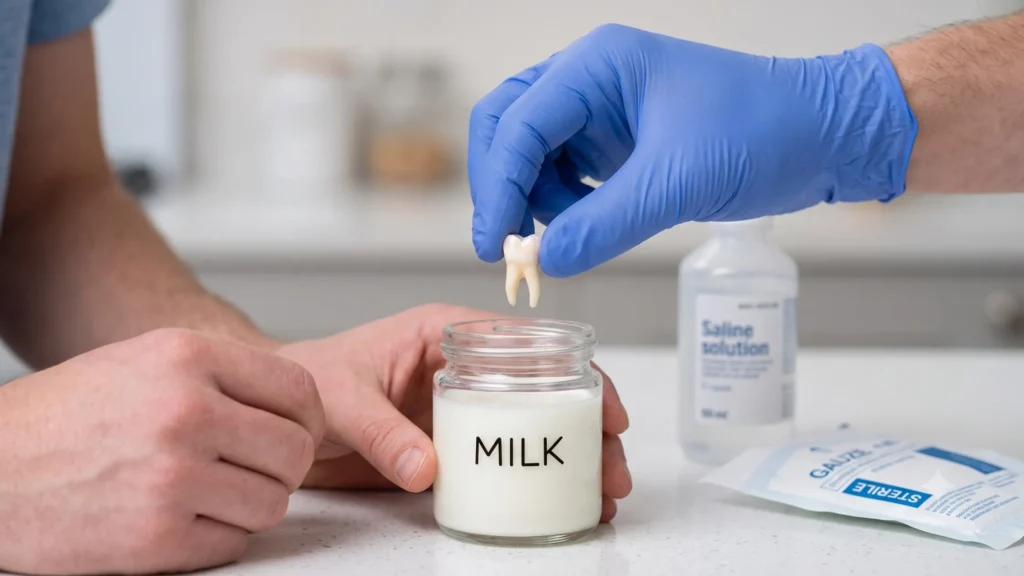
If an adult tooth is knocked out, pick it up by the crown (the white part), never the root. If it is visibly dirty, rinse it gently with milk or saline—do not scrub it or use tap water, as this kills the delicate cells on the root surface. If possible, gently reposition the tooth back into the socket and bite down on a clean cloth to hold it in place. If reinsertion is impossible, keep the tooth submerged in a container of milk or your own saliva and seek emergency dental care immediately. The faster a professional can splint the tooth, the higher the likelihood the periodontal ligaments will reattach.
Advanced Diagnostics in Crisis Management
When you arrive at a clinic during an emergency, the clinical team must rapidly assess both visible damage and hidden structural compromises. Modern facilities utilize low-emission digital panoramic x-rays to instantly visualize jaw fractures, hidden root breakages, and the exact location of periapical infections.
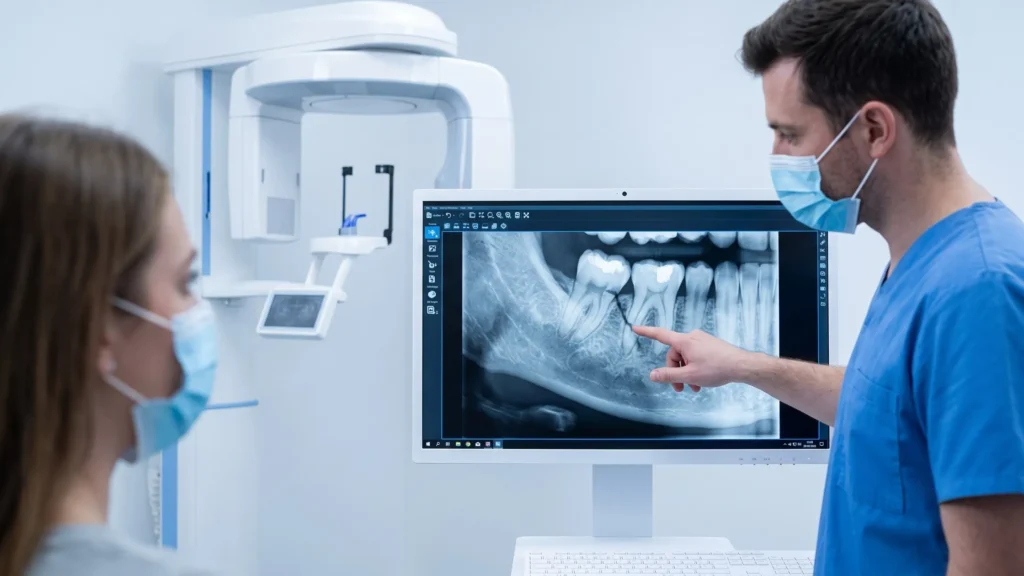
This level of technological readiness is why choosing the right environment matters. A well-equipped dental clinic pittsworth or Drayton-based emergency suite has the necessary triage protocols to administer profound local anesthesia, manage acute pain, and perform emergency endodontic (root canal) access to relieve the pressure of an abscess immediately.
The Continuity of Care Post-Emergency
The treatment of a dental emergency rarely ends on the day of the injury. Once the tooth is stabilized and the immediate pain is managed, you require a strategic plan for definitive restoration.
The clinician who handles your emergency will provide a detailed handover for your ongoing care. This is where having a reliable family dentist pittsworth becomes invaluable. They will oversee the healing process, monitor the vitality of the traumatized nerve over the coming months, and eventually design a permanent ceramic crown or structural filling to return the tooth to full function. This seamless transition from crisis management to long-term care ensures your smile remains strong. To understand how our team facilitates this continuity, you can read more about us.
Preparedness and Peace of Mind

The best defense against a dental emergency is preparation. Save your local clinic’s contact details in your phone today, and ensure your family understands the basic first-aid steps for oral trauma. If you are ever in doubt about the severity of an injury, it is always safer to seek professional advice. Discover comprehensive support and emergency protocols by visiting Westbrook Dental.






Comments are off for this post.